he Civil Society Commission in Benghazi was established in 2012. The headquarters of the General Administration is located in the city of Benghazi, in accordance with Cabinet Resolution No. 12 of 2012. The Commission has 5 main branches (Tripoli – Benghazi – Misrata – Sabha – Al-Bayda) and 35 offices.
The Civil Society Commission is a legal entity with an independent financial liability. It operates as a key partner in strengthening and developing civil society in Libya by enhancing its capacities, building its competencies, and reinforcing its concepts. It also works to create a supportive legislative environment for its growth, enabling it to play an essential and effective role alongside the state, the private sector, and international organizations in achieving comprehensive and sustainable development, and in promoting citizenship rights, democracy, and the rule of law.
The Civil Society Commission in Libya works to register and support civil society organizations both technically and logistically. It is also responsible for registering and monitoring international organizations operating in Libya. In addition, it organizes and sponsors workshops and training programs, and develops plans and improvement programs to enhance the work of the Commission and its staff.
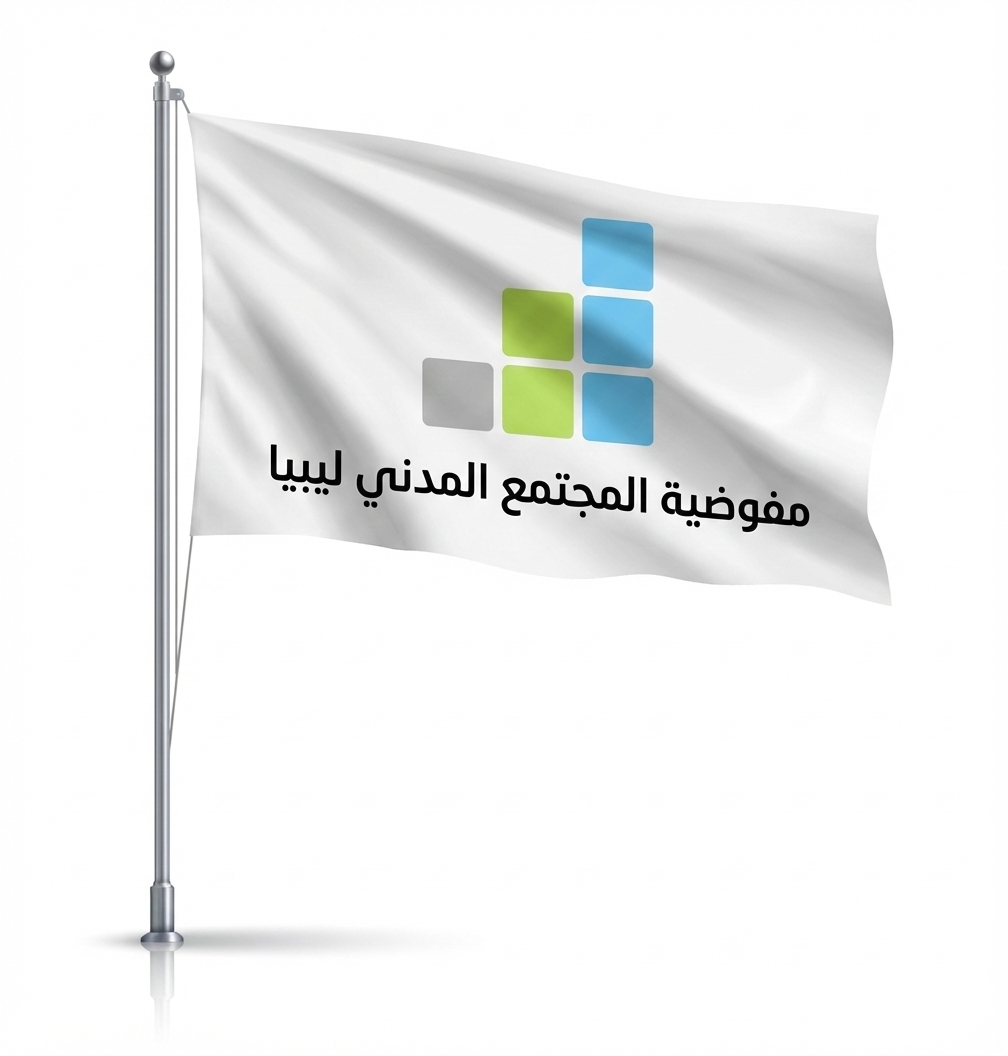
The Commission’s Logo
The Commission’s logo is inspired by symbols representing civil society organizations. It consists of six curved squares arranged in three columns.
Strategic Plan
Vision, Objectives, Values, and Mission
Values
Our employees are the source of our strength and the foundation of our success. We are committed to transparency, integrity, and impartiality. Our active partnerships are among our key strengths. We believe in positive change and continuously strive for development.
Vision
A strong and independent institution that operates efficiently and effectively, and serves as a key partner in strengthening and developing a diverse, impactful civil society that advocates for rights and freedoms.
Mission
Our employees are the source of our strength and the foundation of our success. We operate with transparency, integrity, and impartiality. Our effective partnerships are one of our key strengths. We believe in positive change and continuously strive for development.
Objectives of the Commission
The objectives are divided into four main goals.
First Main Objective
Enhancing the effectiveness of the services provided by the Commission and ensuring their alignment with the needs of local and international target groups.
Contributing to improving communication between state institutions, the private sector, and civil society.
Sessions and meetings. Organizing joint workshops and training programs. Building partnerships between the Commission, state institutions, and the private sector
Strengthening the role of branches and offices at the local level.
Developing a media and marketing program. Meetings and sessions at the local level. Meetings and sessions with municipal councils and local partners. Organizing workshops and training programs.
Developing the database
Sessions and meetings with target stakeholders and experts. Establishing partnerships with supporters. Promoting the updating of organizations’ data.
Working towards obtaining a quality certification for the Commission.
Sessions and meetings. Organizing joint workshops and training programs. Signing Memoranda of Understanding
Second Main Objective
Improving the Commission’s efficiency in managing its resources and internal operations at the level of the General Administration, as well as its branches and offices.
Strengthening and developing the Commission’s workforce
Designing and implementing a program for building technical and administrative capacities. Developing a program to benefit from partnerships and available funding sources, and engaging with relevant stakeholders. Reviewing the salary scale and the current incentive system, and proposing an alternative system.
Developing the organizational structure of the Commission in line with its functions.
Defining the Commission’s functions. Reviewing the current organizational structure. Preparing a new organizational structure in line with its functions. Meetings and sessions with the relevant authorities. Training staff on preparing the proposed structure.
Leveraging the Commission’s legal status, as the entity mandated to regulate civil society work, to establish partnerships that support the development of both the Commission’s work and the civil sector.
Promotional campaigns (digital, print, visual, and audio). Meetings and sessions with funding sources, partners, and target groups. Project development. Workshops.
Leveraging the Commission’s geographical presence to increase its workforce.
Approving the organizational structure of branches and offices. Promotion and advocacy by beneficiary groups. Leveraging the Commission’s good relationships with local authorities for advocacy and lobbying. Utilizing the strong personal relationships of some employees with the relevant authorities to support budget approval.
Third Main Objective
Enhancing the Commission’s public image as a primary sponsor of civil society organizations in Libya and expanding its outreach.
Developing and implementing a public relations, communication, and media marketing plan for the Commission’s tasks and activities.
Meetings and sessions with partners. Training and plan development. Communication with target groups. Promotion. Coordination with branches and offices. Activating the legal office. Advocacy requests from beneficiary groups. Engagement with entities that influence those infringing on the Commission’s mandates. Media.
Opening new branches and offices of the Commission in various Libyan cities.
Leveraging the presence of the Commission’s offices to enhance its acceptance among local authorities and to establish local and international partnerships.
Holding sessions with municipal councils.
Increasing the Commission’s allocated budget.
Developing a media strategy that supports the unity of the Commission and ensures the continuity of its work across all Libyan territory.
Promotion Training and workshops
Fourth Main Objective
Enhancing the Commission’s financial sustainability, followed by its sub-objectives and key activities.
Contributing to improving communication between state institutions, the private sector, and civil society.
Sessions and meetings. Organizing joint workshops and training programs. Building partnerships between the Commission, state institutions, and the private sector.
Strengthening the role of branches and offices at the local level.
Developing a media and marketing program.
Meetings and sessions at the local level.
Meetings and sessions with municipal councils and local partners.
Organizing workshops and training programs.
Developing the database
Sessions and meetings with target stakeholders and experts. Establishing partnerships with supporters. Promoting the updating of organizations’ data.
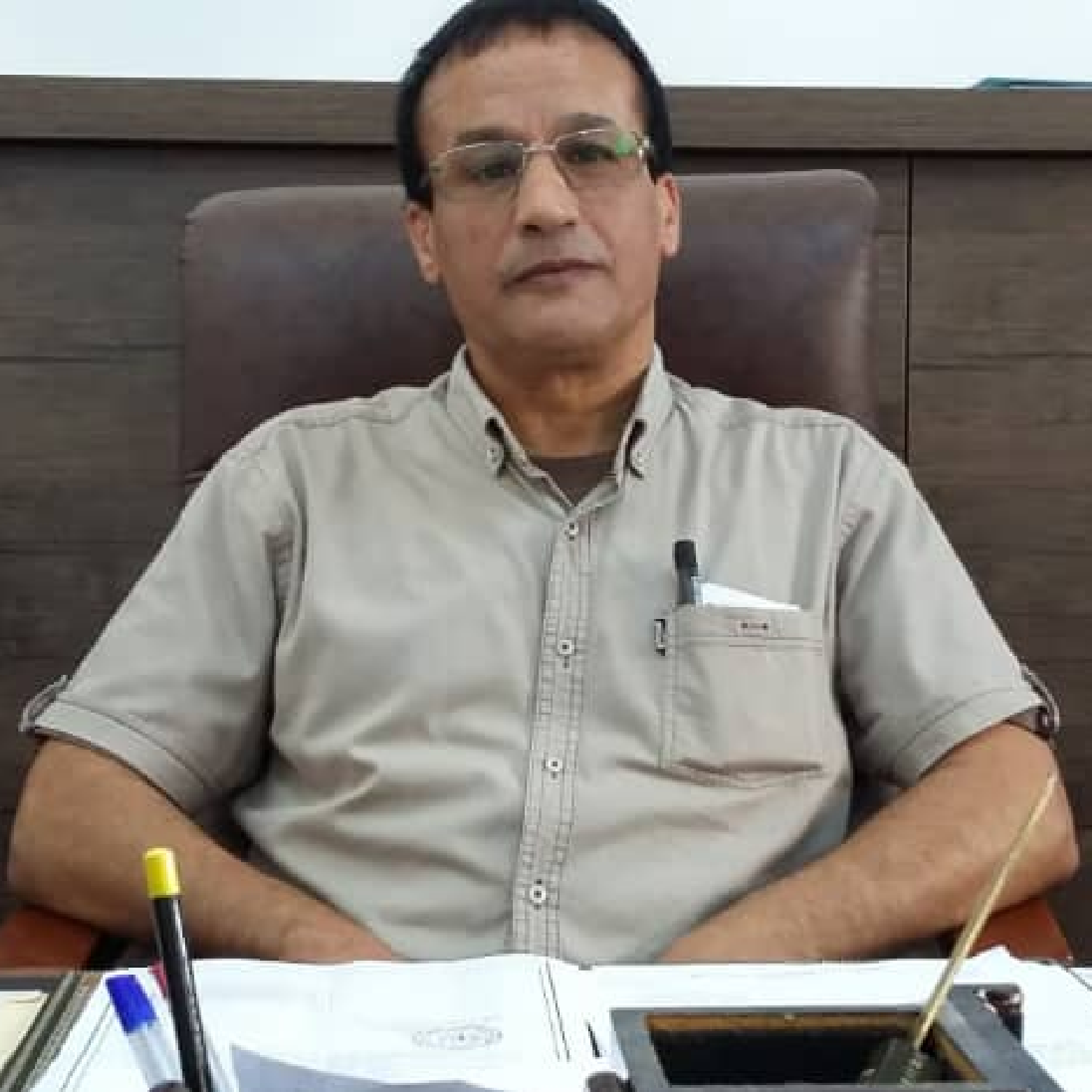
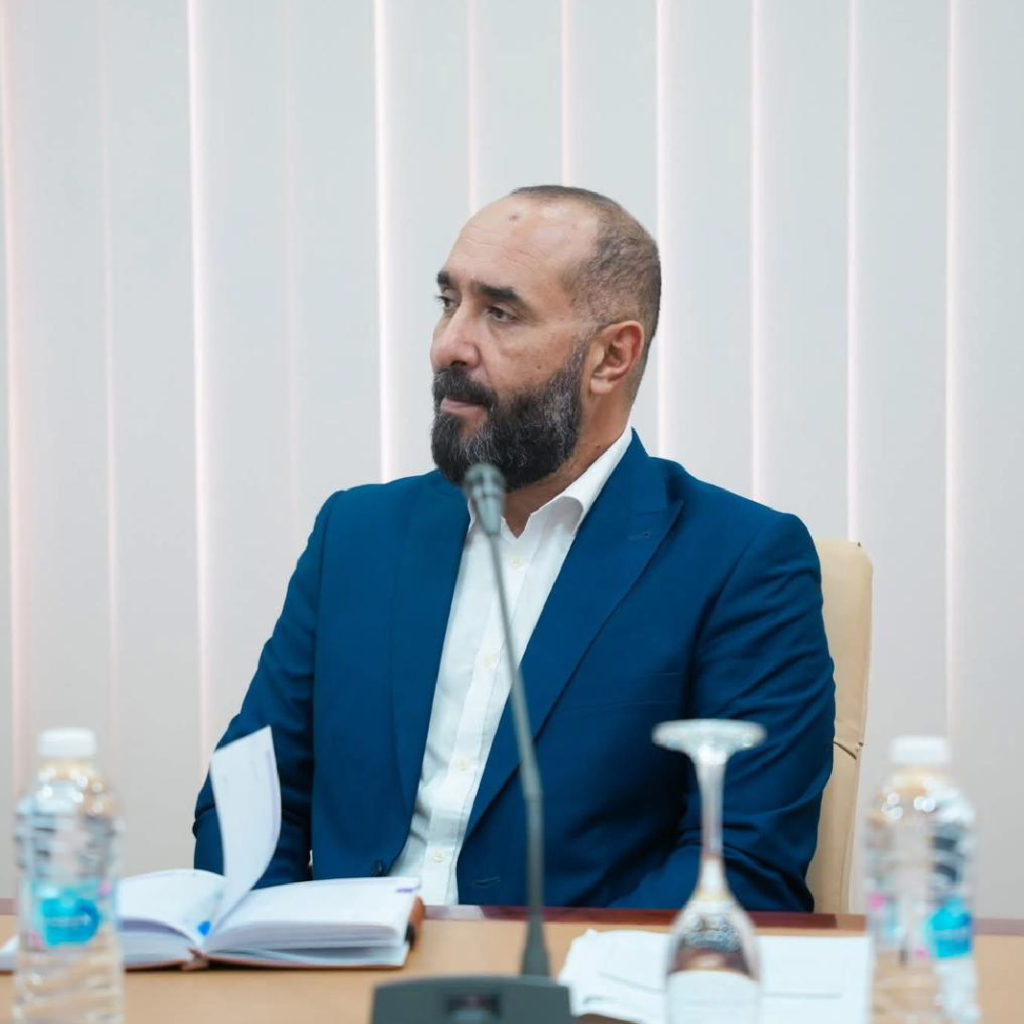
Chairman of the Board of Directors of the Civil Society Commission
Mahmoud Issa Al-Barassi
The Civil Society Commission is the competent authority responsible for registering, regulating, and overseeing the work of civil society organizations. It seeks to promote the principles of transparency and good governance, and to create a supportive environment that contributes to empowering these organizations and enhancing their participation in development and growth pathways.
Please accept our highest consideration and respect.
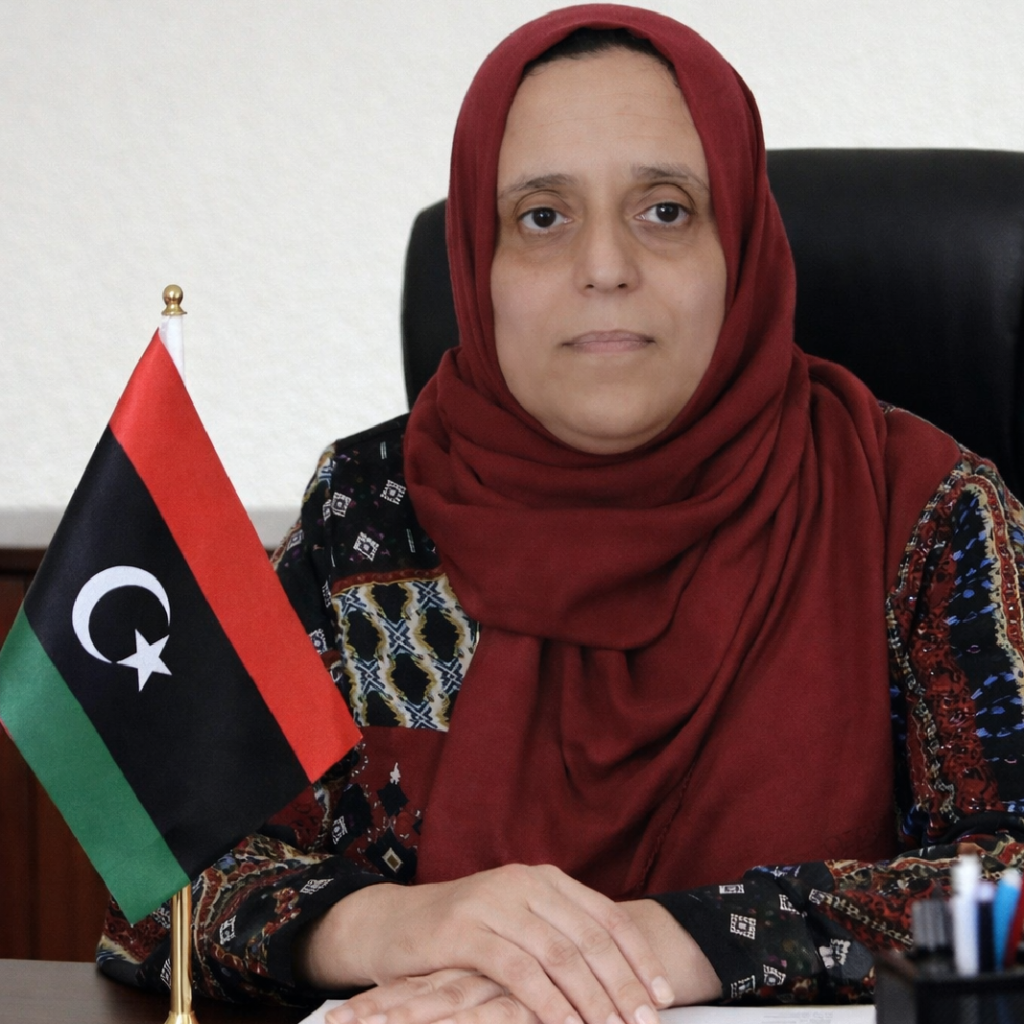
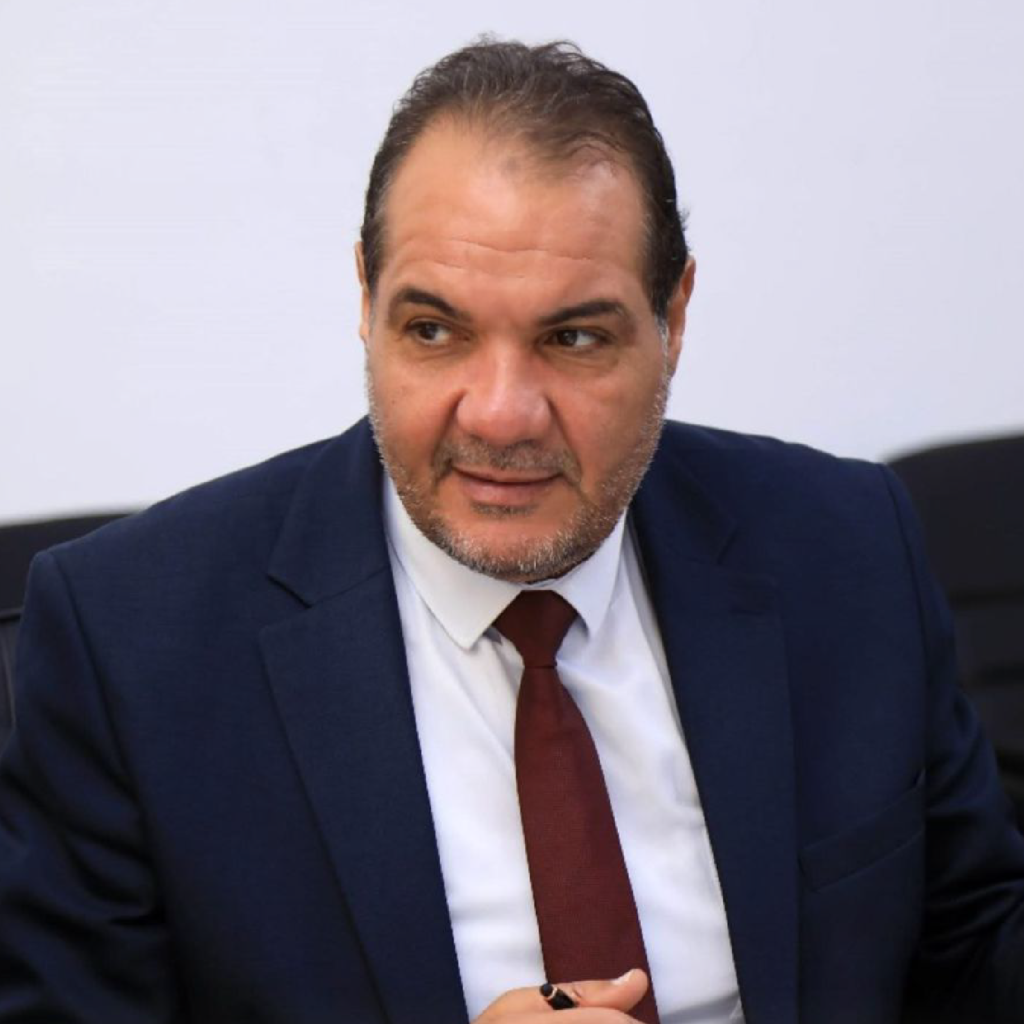
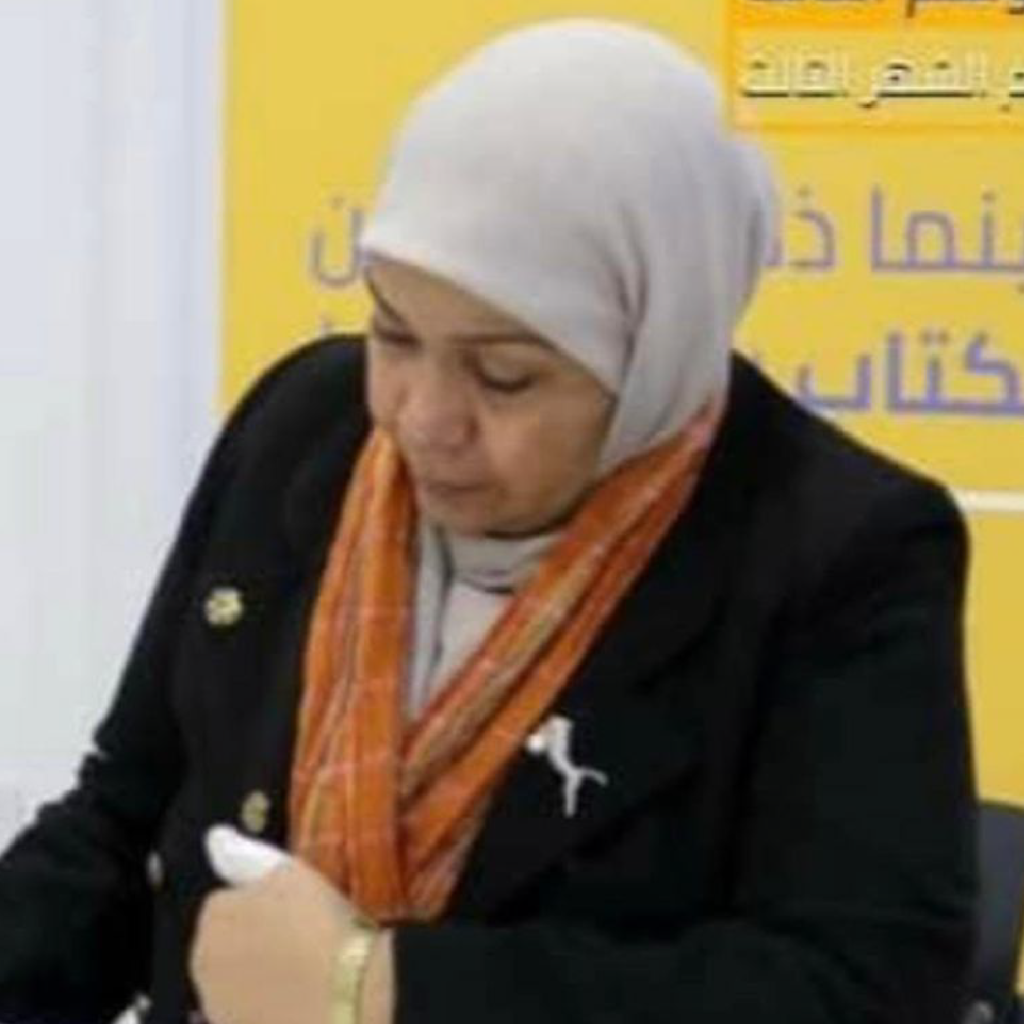
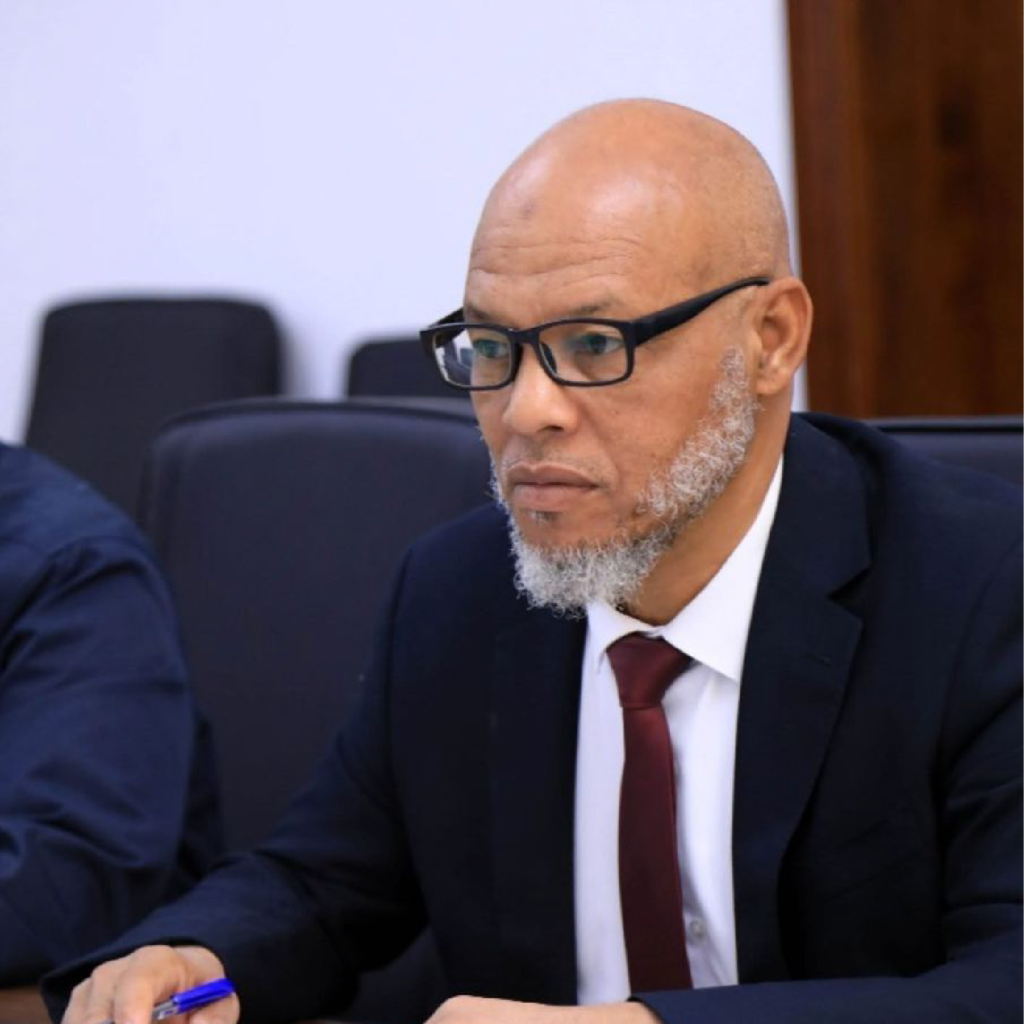
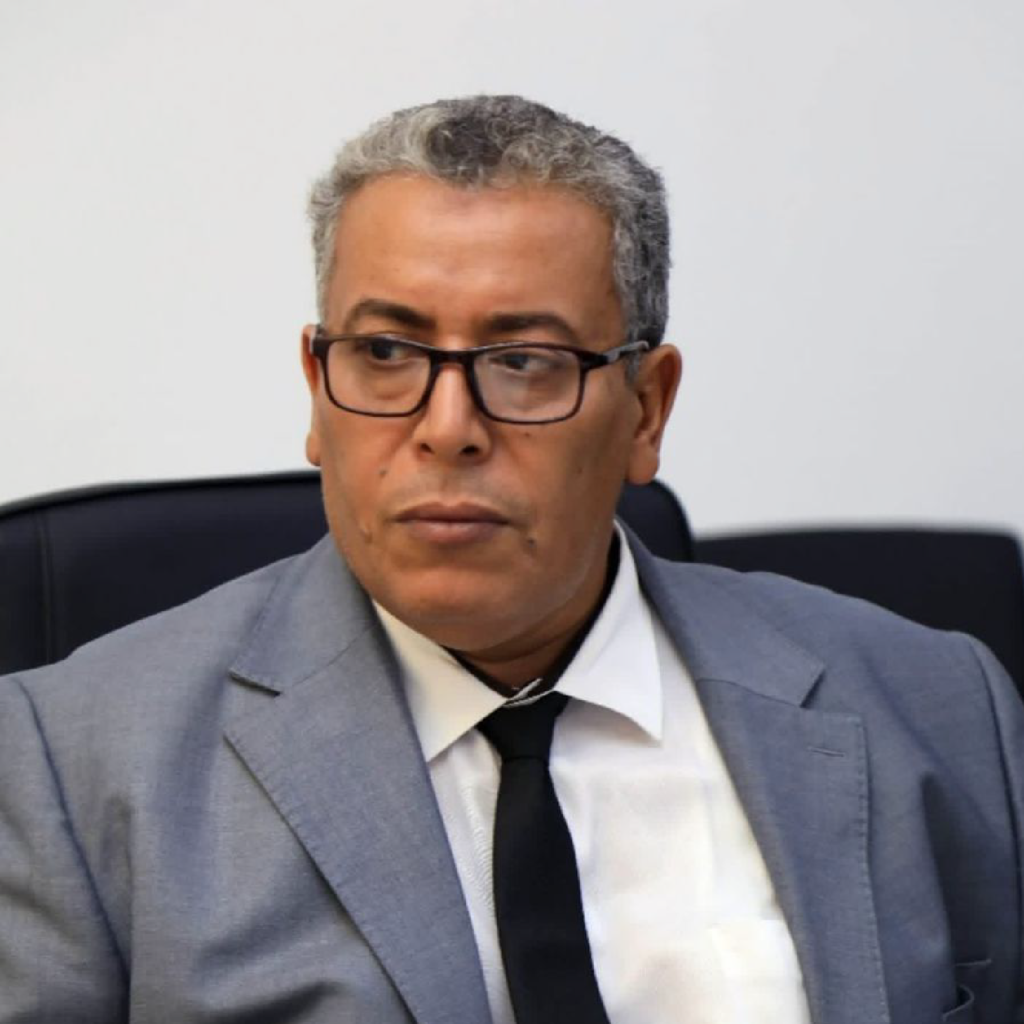
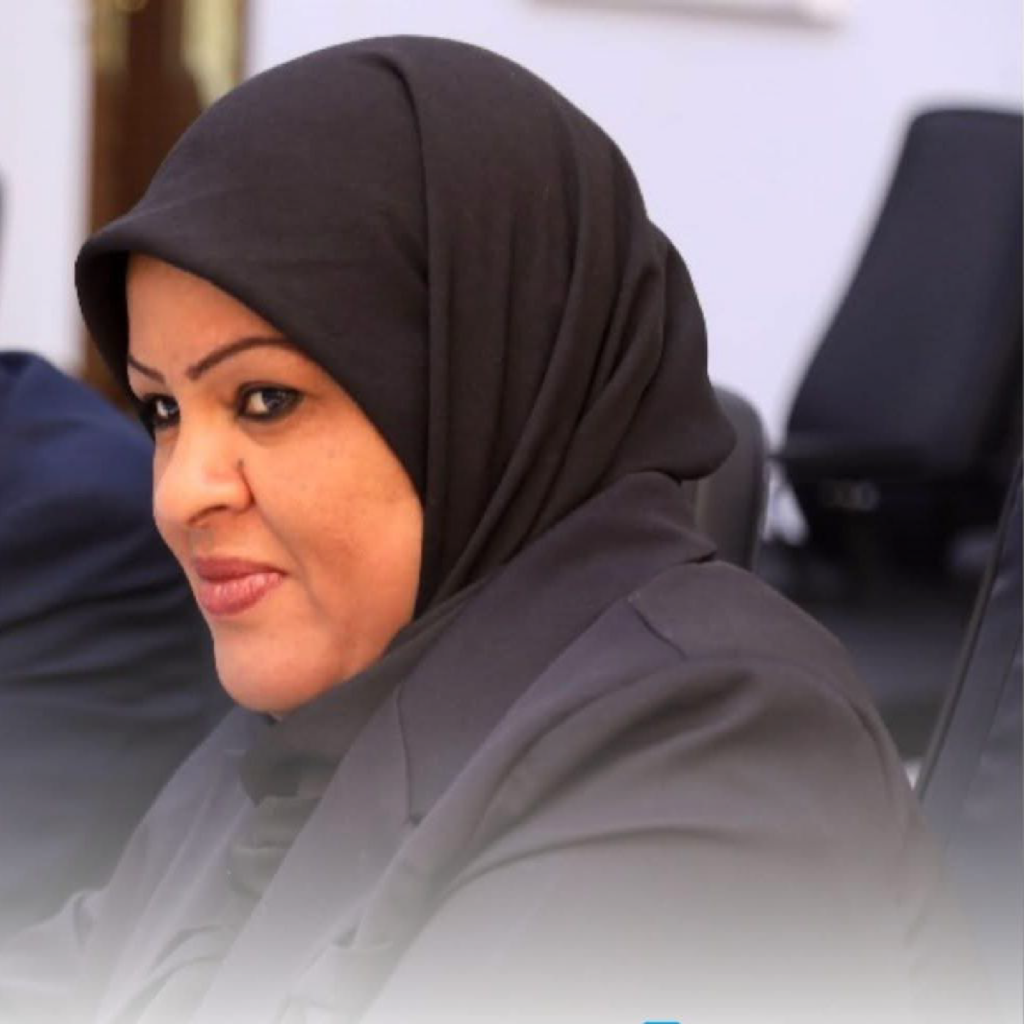
Board of Directors
Board of Directors of the Civil Society Commission – Libya
Nahla Al-Mahdi
BoD Member
Raqi Al-Mesmari
BoD Member
Monaji Bin Halim
BoD Member
Abdulsalam Al-Kashkri
BoD Member
Ahmed Moamen
BoD Member
Zamzam Azwain
BoD Member
Executive Management
Executive Management of the Civil Society Commission – Libya
Mr. Ibrahim Al-Maqsabi
Executive Director
Salem Al-Maadani
Director of Inspection and Follow-up
Kamal Kablan
Director of Finance
Jumaa Balaaou
Director of Administrative Affairs
Mubarka Al-Barnawi
Director of Information Technology and Technical Support
Mohamed Al-Biju
Director of Branch Affairs Office
Sabah Al-Obaidi
Director of Foreign Organizations
Najia Al-Suwei’i
Executive Director’s Office Manager
Omar Al-Fakhri
Director of Legal Affairs Office
Majdi Al-Ayyash
Director of Registration and Documentation Department
Mohamed
Trainer
Branches and Offices of the Civil Society Commission
Data of the Branches and Offices of the Civil Society Commission Across Libya